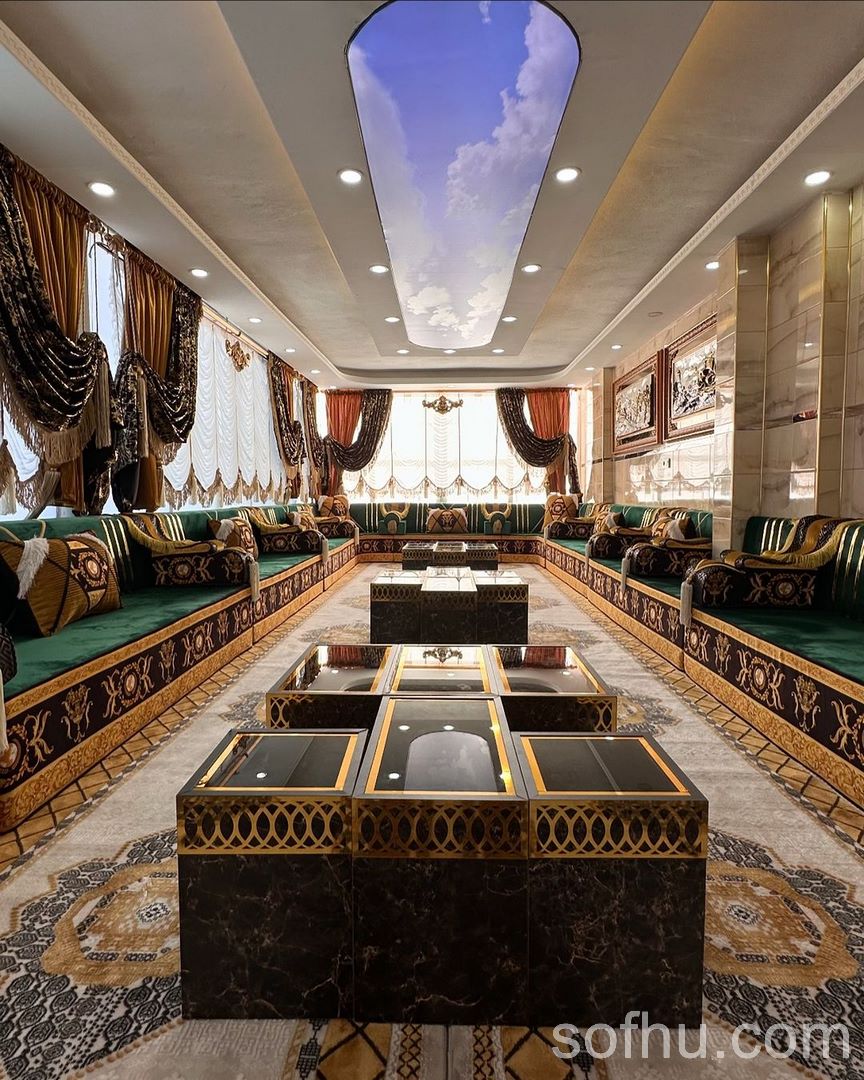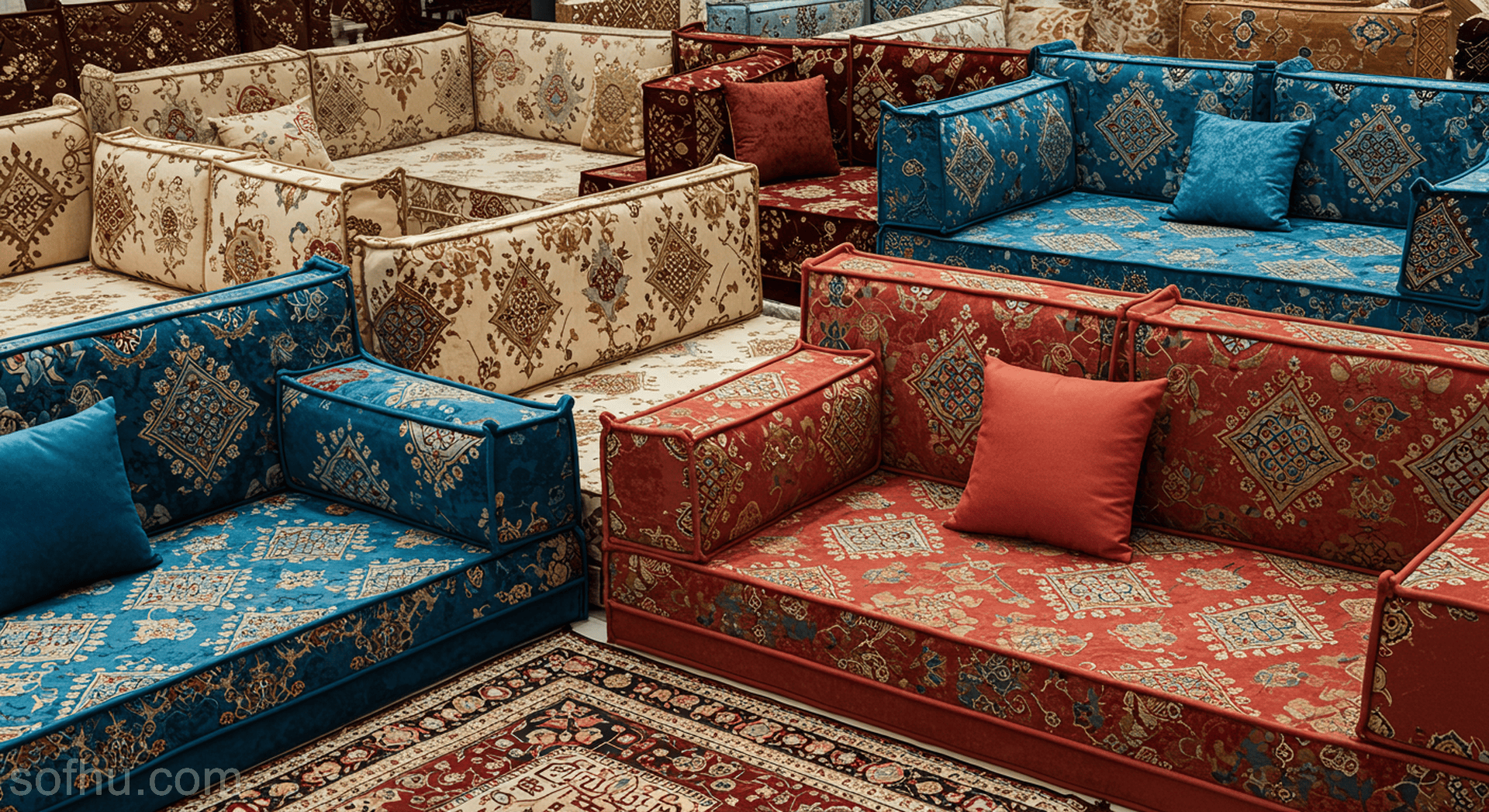
Arabic sofas are more than just furniture; they are a testament to artistry, culture, and tradition. The intricate details and high-quality craftsmanship that go into creating these pieces make them stand out in any setting. Let’s take a closer look at the journey of making an Arabic sofa, from conception to completion.
Designing with Tradition and Innovation
The process begins with the design phase, where traditional motifs meet modern sensibilities. Designers often draw inspiration from:
- Historical Patterns: Geometric shapes, arabesques, and calligraphy-inspired motifs.
- Cultural Influences: Elements rooted in Arabic heritage, such as Mashrabiya patterns or desert-inspired color palettes.
- Client Preferences: Custom requests for specific colors, materials, or unique designs.
- Architectural Harmony: Ensuring the sofa complements the overall architecture of the space, whether it’s a grand majlis or a cozy living room.
Selection of Premium Materials
The choice of materials is crucial to the sofa’s durability and aesthetic appeal. Craftsmen carefully select:
- Wood: High-quality hardwoods like teak or oak for a sturdy frame.
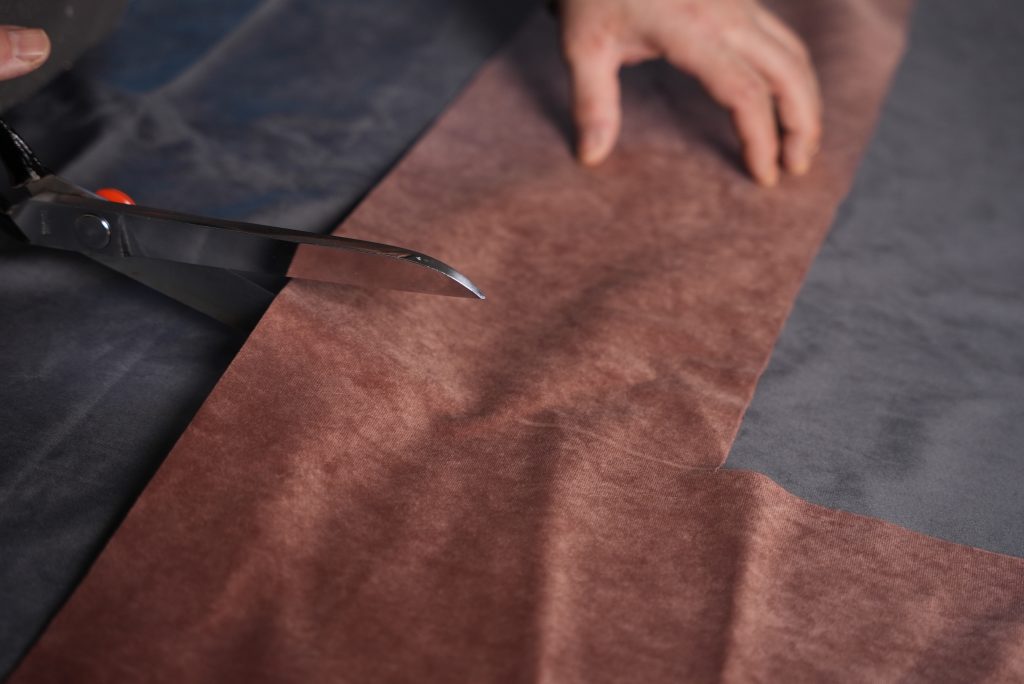
- Fabric: Luxurious textiles, often including silk, velvet, or richly patterned brocades.
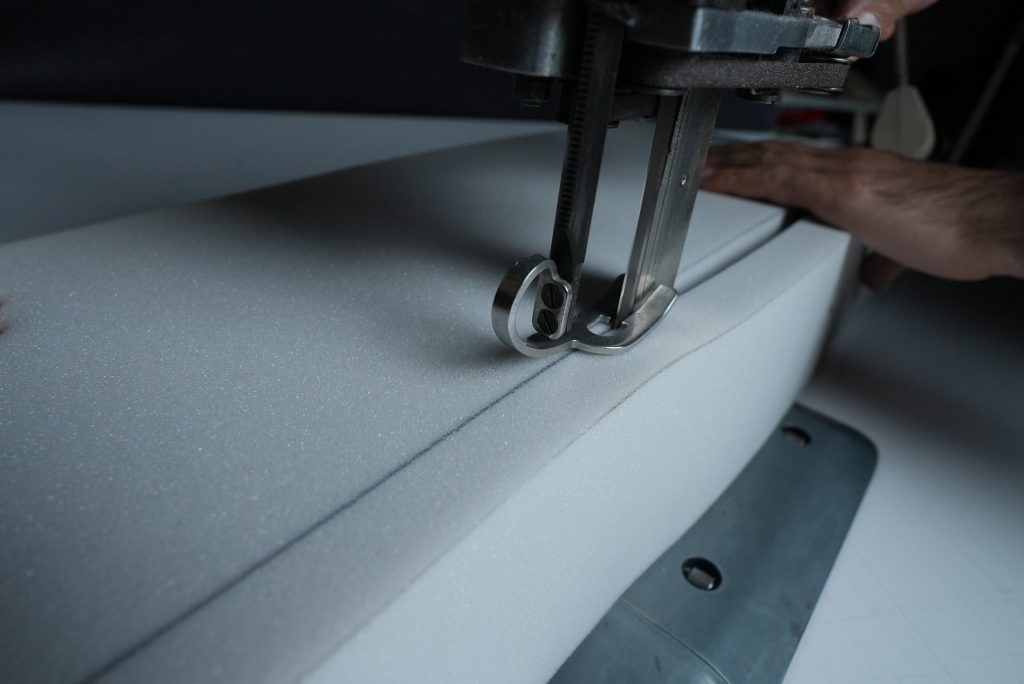
- Cushion Filling: High-density foam or natural fibers for comfort and longevity.
- Decorative Elements: Intricate inlays, gold leaf accents, or metal studs for added elegance.
- Each material is chosen not only for its beauty but also for its ability to withstand daily use.
Crafting with Precision
The craftsmanship of an Arabic sofa is a labor-intensive process that requires skill and patience. Key steps include:
- Frame Construction: Expert carpenters build the frame, ensuring it is robust and well-balanced.
- Carving and Detailing: Artisans add intricate carvings or motifs, often by hand, to the wooden elements.
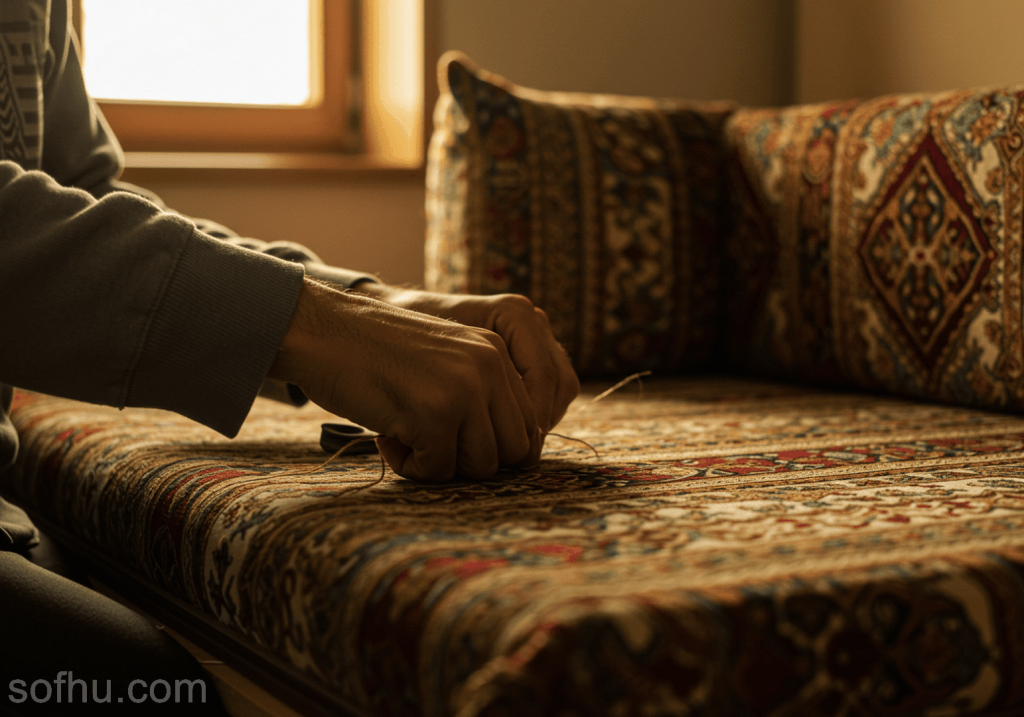
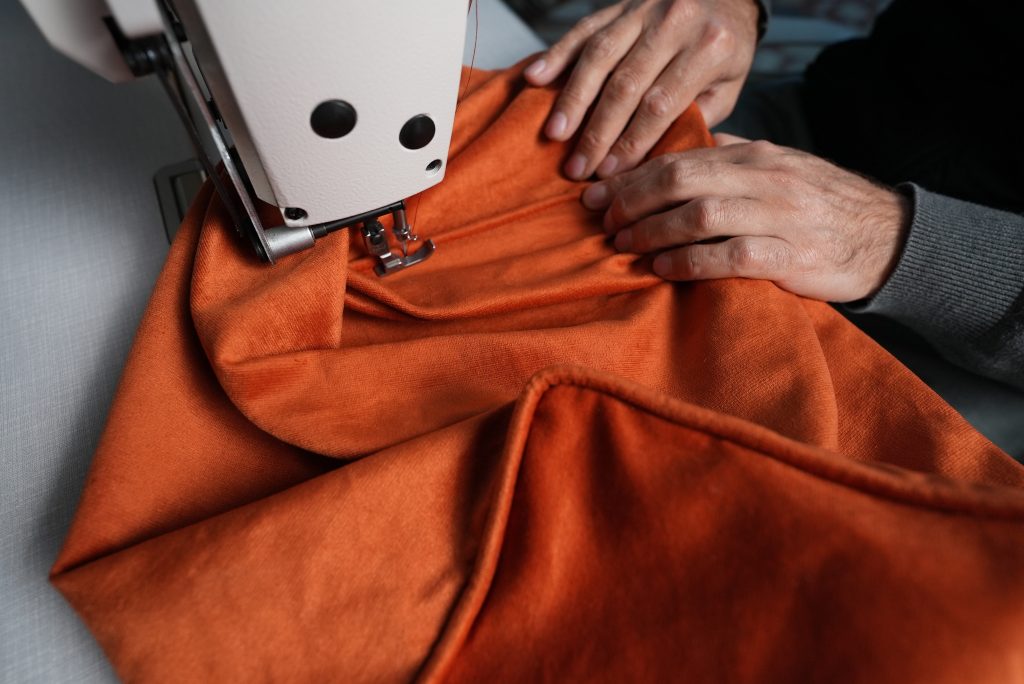
- Upholstery: Skilled upholsterers meticulously attach fabric to the frame, ensuring a flawless finish.
- Assembly and Inspection: The final assembly brings all components together, followed by a thorough quality check to guarantee perfection.
- Surface Finishing: Applying protective coatings or polishing the wood to enhance its appearance and durability.
- Pattern Alignment: Ensuring fabric patterns are perfectly aligned for a cohesive and visually pleasing look.
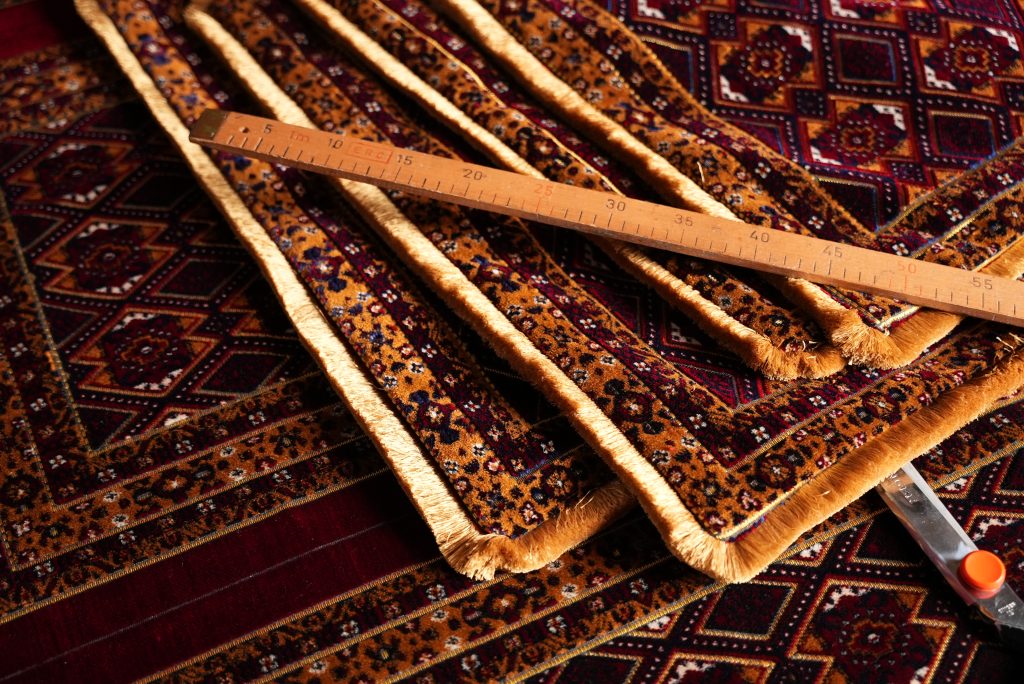
- Handcrafted Accents: Adding hand-sewn trims, buttons, or tassels for a distinctive and luxurious touch.
The Role of Skilled Artisans
Each Arabic sofa is a collaborative effort among various skilled artisans. Their expertise ensures that every piece is unique and meticulously crafted. From carpenters to fabric specialists, the collective dedication of these craftsmen breathes life into each sofa.
Sustainability in Production
Modern Arabic sofa production often incorporates sustainable practices, such as using eco-friendly materials and minimizing waste. This approach not only preserves the environment but also honors the traditional respect for natural resources.
Final Touches: Adding Soul to the Sofa
The last steps in the creation process involve adding personal touches that make the sofa truly special. This could include:
- Hand-painted accents.
- Custom embroidery on cushions.
- Unique trims or tassels.
These details transform the sofa from a functional item into a statement piece that reflects both cultural heritage and individual style.
The making of an Arabic sofa is a journey of creativity, tradition, and meticulous craftsmanship. Each piece tells a story, capturing the essence of Arabic culture while embracing modern innovation. By choosing an Arabic sofa, you’re not just adding furniture to your space; you’re bringing home a timeless work of art.